
When a customer asks me, “Nick, which paper material should I use for my bags?” I know they’re already drowning in specs, coatings, grades, and supplier jargon. Paper choice affects cost, sustainability, printing clarity, and—most importantly—how your brand feels in the customer’s hand. Get it wrong, and you’ll be stuck with creased bags, blurry print, or a shipment of returns you’d rather not talk about.
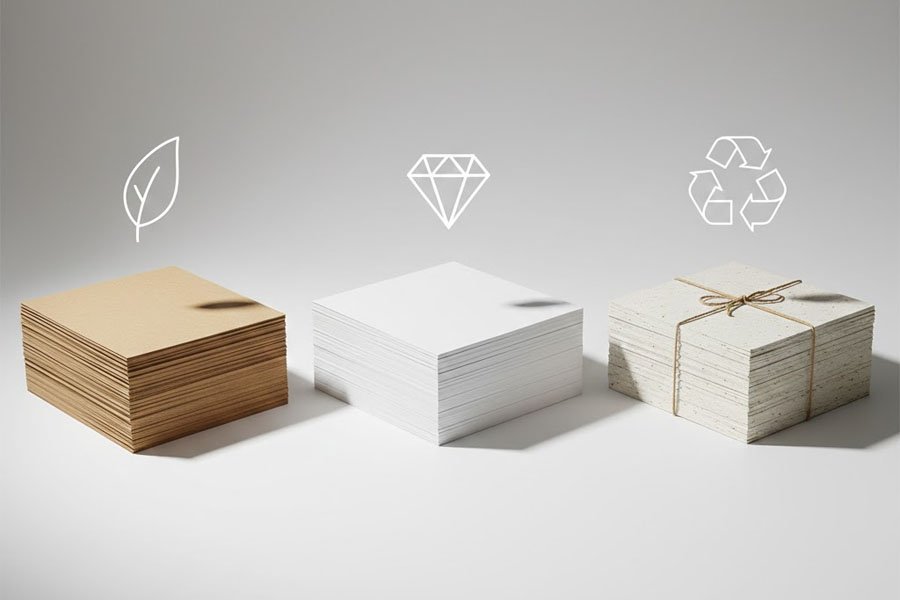
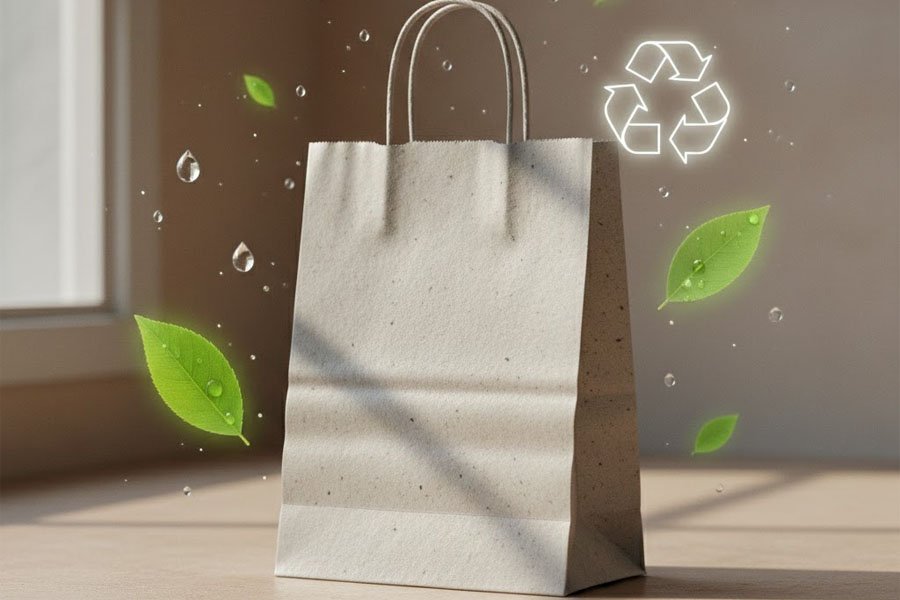
Kraft is strong and eco-friendly, SBS is premium and print-perfect, and recycled paper is your budget-friendly sustainability warrior. Your choice depends on your industry, load requirements, and branding priorities. Simple, right? Let me walk you through it like your packaging wingman.
Why Material Selection Matters More Than You Think
Every packaging decision in B2B impacts four things:
- Durability
- Print quality
- Cost
- Environmental compliance
And believe me, once your bags hit the real world—delivery trucks, greasy kitchens, humid warehouses—only the right material will save your brand from embarrassment.
Understanding the Three Kings of Paper Packaging
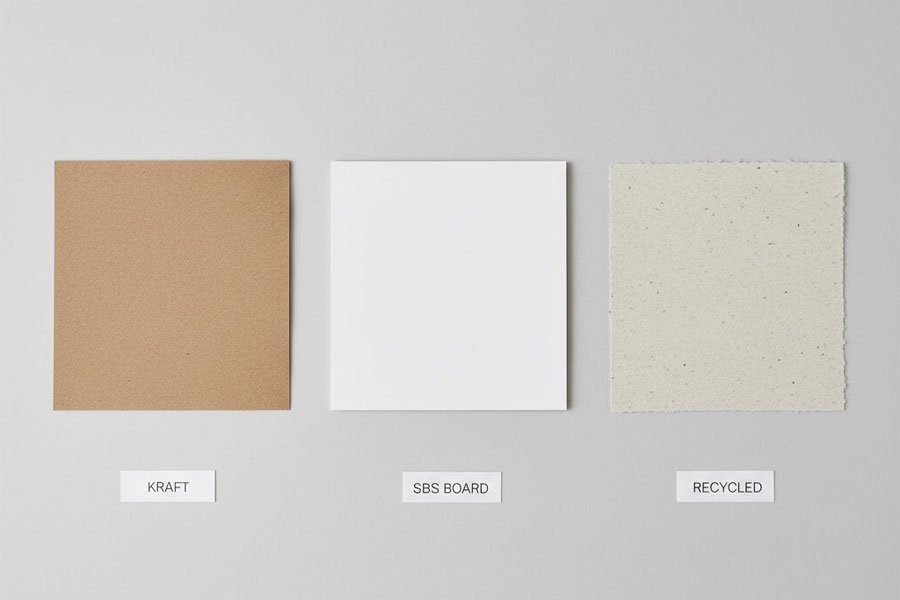
Most B2B buyers will choose one of these three materials: Kraft, SBS (Solid Bleached Sulfate), or Recycled Paper. Each one plays a completely different role in the packaging universe.
1. Kraft Paper: The Tough, Eco-Friendly Workhorse
If kraft paper were a person, it’d be that strong silent type in the warehouse lifting 20 kg boxes without breaking a sweat.
Key Characteristics
- High tensile strength
- Natural brown or bleached white color
- Excellent tear resistance
- Eco-friendly, biodegradable
- Lower printing sharpness than SBS
Best For
- Supermarkets
- Fast food chains
- Takeout bags
- E-commerce
- Heavy products (5–15 kg)
Why Buyers Choose It
It’s cost-effective, sustainable, and nearly impossible to tear accidentally. Perfect for brands that want durability without fancy decoration.
2. SBS Paperboard: The Premium, Print-Perfect Option
SBS (Solid Bleached Sulfate) is the “luxury sedan” of paper materials. Sleek. Smooth. Instagram-ready.
Key Characteristics
- Bright white surface
- Ideal for complex color printing
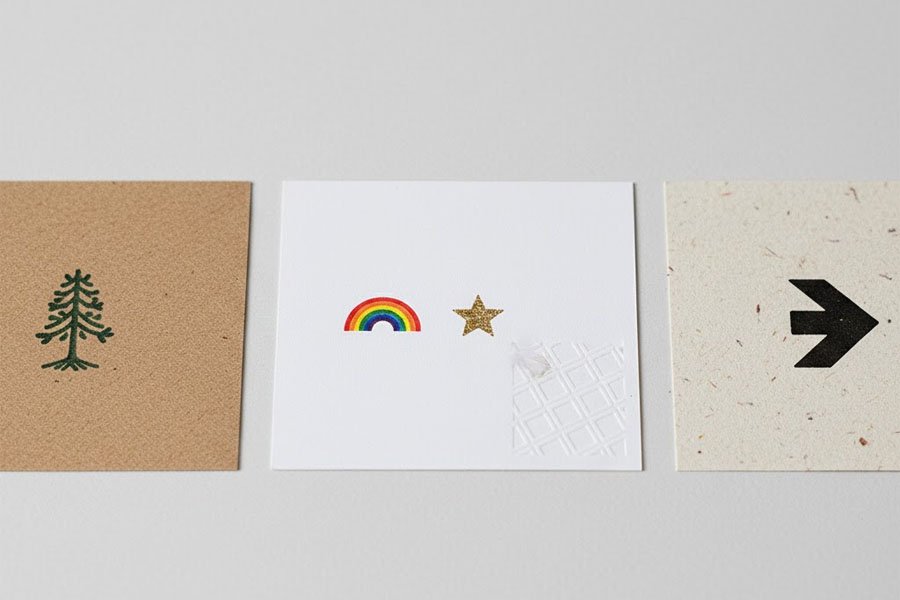
- Works beautifully with foil stamping, embossing, UV
- Not as strong as kraft, but much better for branding
Best For
- Fashion & beauty brands
- Premium retail
- Gift packaging
- High-end product launches
- Trade shows
Why Buyers Choose It
When your branding matters more than brute strength, SBS wins. It creates that “premium unboxing moment”—the one your marketing team will thank you for.
3. Recycled Paper: The Eco-Smart Budget Choice
You know those customers who proudly tell their friends, “We only use sustainable packaging”? Recycled paper is for them.
Key Characteristics
- Made from post-consumer waste
- Lower cost
- Eco-friendly image
- Slightly rough surface
- Lower strength than virgin kraft
Best For
- Supermarkets & convenience stores
- Budget-friendly promotions
- Large-volume orders
- Government or CSR-driven projects
Why Buyers Choose It
Recycled paper balances “green marketing” with attractive pricing. You get environmental points without blowing your budget.
Material Comparison: Quick Decision Matrix
Here’s the table I show my buyers every week:
| Feature | Kraft Paper | SBS Paper | Recycled Paper |
|---|---|---|---|
| Strength | ⭐⭐⭐⭐⭐ | ⭐⭐ | ⭐⭐ |
| Print Quality | ⭐⭐ | ⭐⭐⭐⭐⭐ | ⭐ |
| Eco-Friendly | ⭐⭐⭐⭐ | ⭐⭐⭐ | ⭐⭐⭐⭐⭐ |
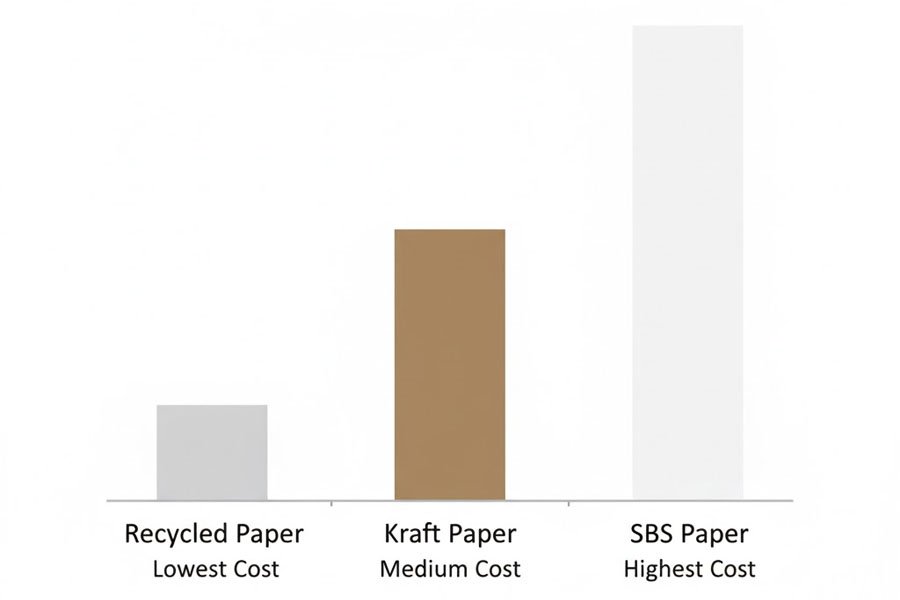
| Cost | Medium | High | Low |
| Best Use | Heavy items | Luxury branding | High-volume eco orders |
Still lost? Don’t worry. Keep reading.
Which Should You Choose by Industry?
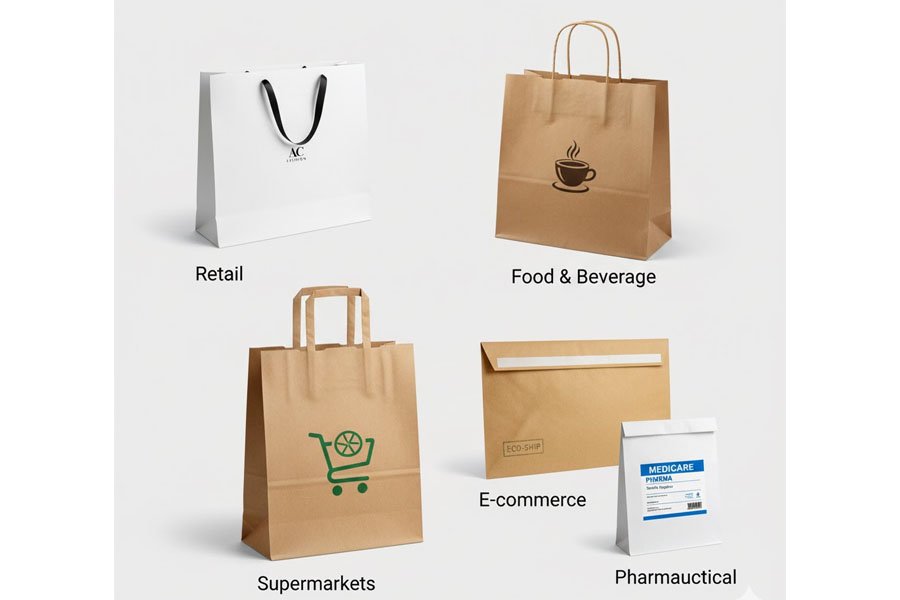
I work with clients from food, fashion, pharma, e-commerce—you name it. Here’s what I usually recommend:
Retail & Fashion Brands
Go with SBS or white kraft.
You need crisp logos, vibrant colors, premium feel.
Food & Beverage
Choose greaseproof or PE/PLA-coated kraft.
Food safety and durability come first.
Supermarkets & Convenience Stores
Use kraft or recycled paper.
High volume. Low cost. Fast turnover.
E-commerce
Thick kraft or corrugated kraft.
Survives the shipping rollercoaster.
Pharmaceutical & Medical
Use SBS or medical-grade white card.
Needs clean printing for labels and warnings.
Trade Shows & Gifts
SBS or specialty art paper.
You want people to notice your bag.
What About Printing, Coatings, and Durability?
Material affects your finishing options more than most buyers realize.
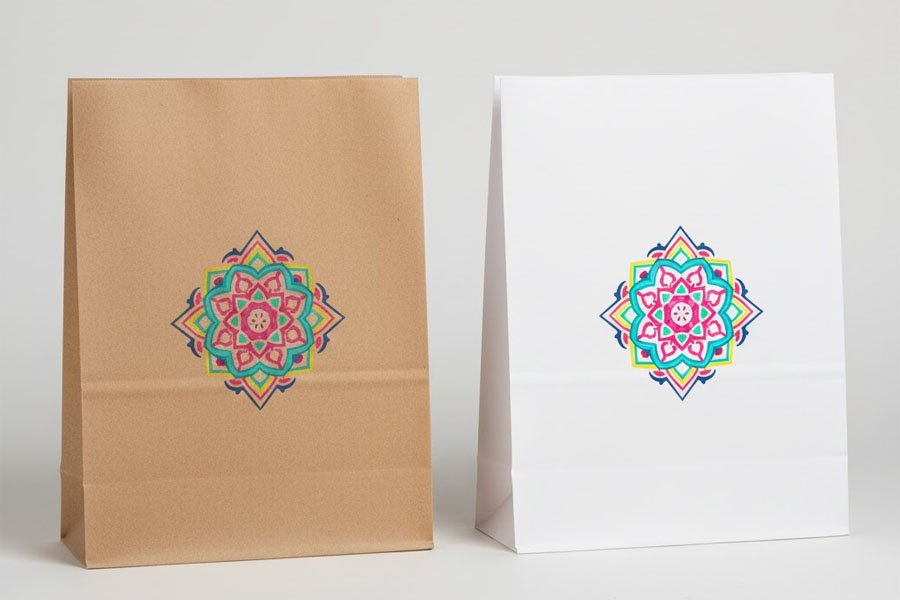
Kraft Works Best With:
- Simple logos
- Minimalist branding
- Natural-themed designs
- Water-based inks
Fancy stuff like foil stamping works, but not as well as on SBS.
SBS Works Best With:
- Foil stamping
- Embossing/debossing
- CMYK full-color printing
- Matte/Gloss lamination
- Spot UV
If you want “premium,” this is your playground.
Recycled Paper Works With:
- Simple, one-color designs
- Eco labels
- Rustic or vintage branding
Environmental Impact: What Buyers Commonly Get Wrong
Many buyers assume:
“SBS = bad for the environment, recycled paper = always good.”
Reality is more nuanced.
Here’s the truth:
- Kraft has excellent biodegradability.
- SBS is recyclable and often FSC-certified.
- Recycled paper reduces raw material usage but has lower strength.
Choose based on actual needs—not marketing buzzwords.
Cost Differences: What You Should Expect
Paper prices fluctuate (thanks, global supply chain…), but here’s a practical comparison:
| Material | Price Level | Ideal Buyer |
|---|---|---|
| Kraft | $$ | Strong, eco-friendly bags at mid-range cost |
| SBS | $$$ | High-end brands, low volume, premium printing |
| Recycled | $ | Large-volume buyers with sustainability goals |
If you’re cost-sensitive, go with recycled or kraft.
If your brand lives on Instagram, choose SBS.
Common Mistakes When Choosing Paper Materials
Let me save you from the mistakes I’ve seen hundreds of buyers make.
❌ Mistake 1: Choosing SBS for Heavy Items
SBS looks strong but isn’t built for weight.
❌ Mistake 2: Using Recycled Paper for Liquids or Oily Foods
Recycled fibers absorb oil like a sponge.
❌ Mistake 3: Overestimating Kraft Print Quality
Kraft is beautiful—but it won’t print your 9-color gradient perfectly.
❌ Mistake 4: Ordering Without Testing Samples
Always test:
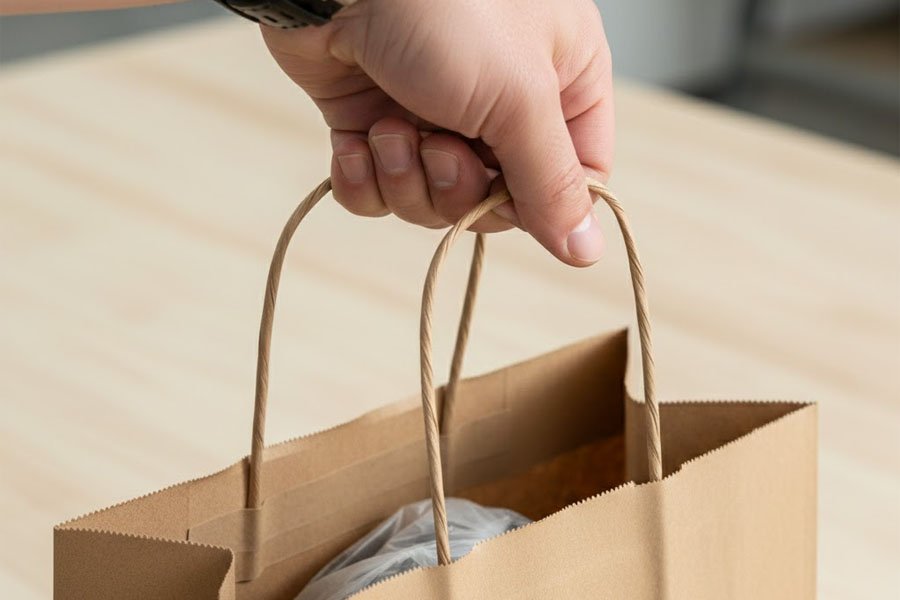
- Weight capacity
- Handle strength
- Print clarity
- Water/oil resistance
How I Recommend Making Your Final Decision
Here’s the GreenWing CEO-approved method:
Step 1 — Start With the Usage
Retail? Food? E-commerce?
Usage defines 70% of the answer.
Step 2 — Decide the Visual Style
Premium or natural?
Minimalist or highly printed?
Step 3 — Consider Load Requirements
Nothing destroys brand trust like a torn bag.
Step 4 — Check Your Sustainability Goals
FSC? Compostable? Recycled?
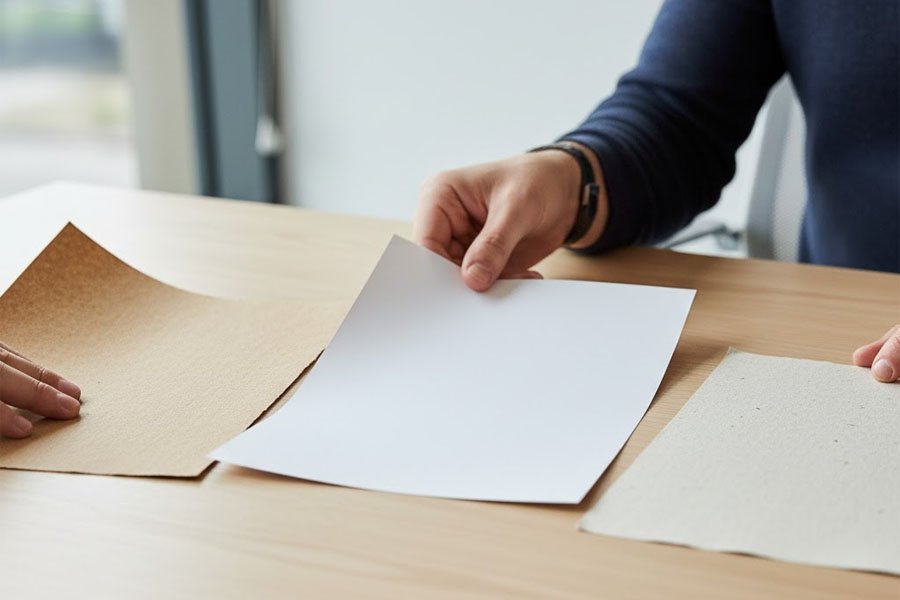
Step 5 — Order Samples
Don’t trust photos. Trust reality.
Conclusion
Choosing between kraft, SBS, and recycled paper isn’t complicated once you match the material to your industry, branding goals, and load requirements. Want premium? Choose SBS. Need strength and sustainability? Go with kraft. Running a high-volume program on a budget? Recycled paper wins.
If you want quick recommendations tailored to your products, just send me your item list—I’ll match you with the perfect material in minutes. After all, packaging should make your life easier, not harder.


 EN
EN NL
NL SV
SV AF
AF KO
KO RO
RO DE
DE IT
IT JA
JA HU
HU ES
ES FR
FR PL
PL PT
PT DA
DA AR
AR HI
HI PA
PA ID
ID RU
RU EL
EL TH
TH TR
TR