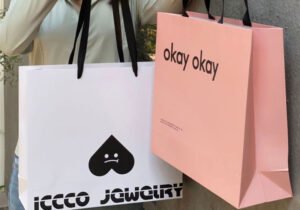

Customers do not just buy what is inside the bag. They judge the bag too. If the paper packaging looks weak, wasteful, or generic, the product feels cheaper. That hurts trust. That hurts repeat sales. And yes, that hurts profit.
Consumer preferences in paper packaging bags are moving toward eco-friendly materials, stronger structures, cleaner designs, better printing, and practical convenience. In my experience, buyers want bags that look good, carry well, protect the product, and support a brand’s sustainability story. For food brands, retailers, and distributors, the right paper bag is no longer “just packaging.” It is a walking advertisement, a quality signal, and sometimes the quiet reason a customer chooses one brand over another.
I have seen trends come and go. But one thing stays the same: customers forgive many things, but not ugly, weak, or suspicious packaging.
Why Are Consumers Choosing Paper Packaging Bags More Often?
Consumers are paying more attention to packaging materials.
Many people now prefer paper bags because they feel natural, recyclable, and easier to trust. Compared with plastic packaging, paper packaging often gives a cleaner and more responsible impression. Of course, every market has different rules, so brands should always check local paper packaging recycling data and plastic bag regulation updates.
In my factory, we see this shift every day.
Food brands ask for kraft paper bags. Retail brands ask for custom printed shopping bags. Takeaway brands ask for grease-resistant food bags. Importers ask one question first: “Can this bag help my customer feel better about buying from us?”
That is a smart question.
Because packaging is not silent.
It speaks before your salesperson does.
What Do Consumers Care About Most in Paper Bags?
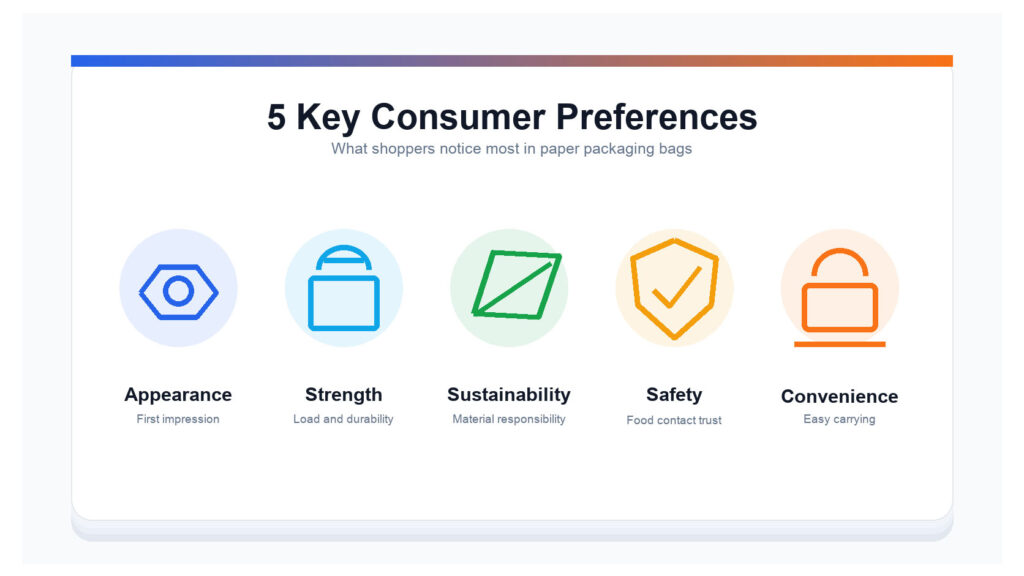
Consumers care about five things.
They care about appearance.
They care about strength.
They care about sustainability.
They care about safety.
They care about convenience.
That sounds simple. But simple does not mean easy.
A paper bag must look nice on a shelf. It must survive transport. It must carry food, clothes, cosmetics, gifts, or delivery items without tearing like wet tissue. Nobody wants a bag that gives up halfway to the parking lot. I call that “packaging betrayal.”
For B2B buyers, these preferences become purchasing requirements.
That means better paper grades, stronger handles, food-safe coatings, stable printing, and reliable quality inspection. If you are buying from China, you should also verify paper bag quality inspection standards, food contact packaging certification, and supplier audit requirements.
Do Consumers Prefer Eco-Friendly Paper Bags?
Yes, many consumers prefer eco-friendly paper bags.
But here is the important part.
They do not want fake green marketing.
They want packaging that feels honest.
If a brand says “eco-friendly,” the bag should support that claim. It may use recyclable paper, responsibly sourced material, water-based ink, or reduced plastic lamination. Some buyers also request FSC-certified paper or other sustainability documents. Before making claims, brands should check FSC certification information, recyclable packaging guidelines, and sustainable packaging market research.
At GreenWing, we often help customers choose the right material based on their market.
For example, a bakery may need food-grade kraft paper with grease resistance. A fashion brand may want thick white card paper with cotton handles. A delivery platform may need flat-bottom takeaway bags that stack well and hold shape.
Eco-friendly is not one material.
It is a smart balance.
The bag must be greener.
But it must still work.
A weak eco bag is not sustainable. It becomes trash faster. That is not green. That is just expensive disappointment wearing a leaf logo.
How Important Is Custom Printing to Consumers?
Custom printing is extremely important.
Consumers remember packaging that looks different.
A plain paper bag can carry a product. A custom printed paper bag can carry a brand. That is why brands invest in logos, colors, patterns, QR codes, slogans, and seasonal designs.
Printing also affects trust.
If the color is dull, the logo is blurry, or the ink smells strange, customers notice. Maybe they do not say anything. But they notice. And in business, silent judgment is still judgment.
For brands, good printing should match the brand image.
Luxury brands may prefer matte lamination, hot stamping, embossing, or spot UV. Food brands may prefer simple kraft paper with clean one-color printing. E-commerce brands may prefer bold courier bags with easy recognition.
Before choosing a printing method, buyers should understand flexographic printing for paper bags, offset printing packaging quality, and water-based ink safety standards.
At GreenWing, we have advanced printing and post-processing equipment.
That matters.
Because beautiful design is only half the story.
The other half is making 500,000 bags look the same.
That is where many suppliers start sweating through their shirts.
Do Consumers Prefer Stronger Paper Bags?
Absolutamente.
Strength is one of the biggest consumer preferences in paper packaging bags.
A customer may love the design. They may love the eco message. They may even take a photo of the bag.
But if the handle breaks, romance is over.
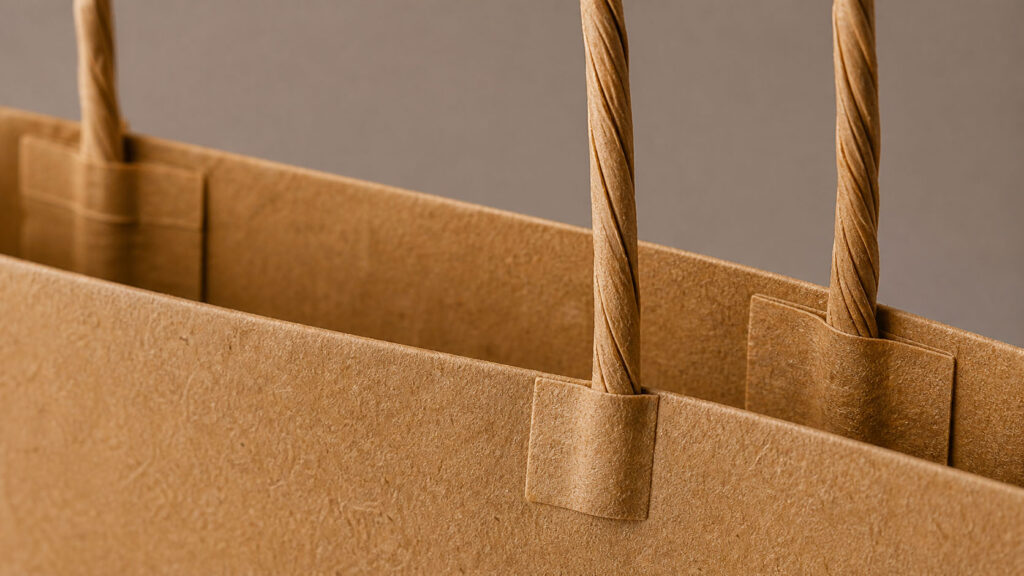
Paper bag strength depends on paper thickness, structure, glue quality, handle type, bottom design, and production accuracy. Square-bottom bags, flat-bottom bags, twisted handle bags, and reinforced shopping bags all perform differently.
For food packaging, strength also includes oil resistance, moisture resistance, and shape stability.
For takeaway packaging, the bag must carry meals, drinks, boxes, and sometimes the customer’s unrealistic hope that soup will behave during delivery.
Brands should check paper bag load capacity testing, burst strength testing for paper packaging, and adhesive strength standards before placing large orders.
In my view, strength is not a luxury feature.
It is the entry ticket.
If the bag cannot carry the product, the design is just decoration on a problem.
What Paper Bag Styles Do Consumers Like Most?
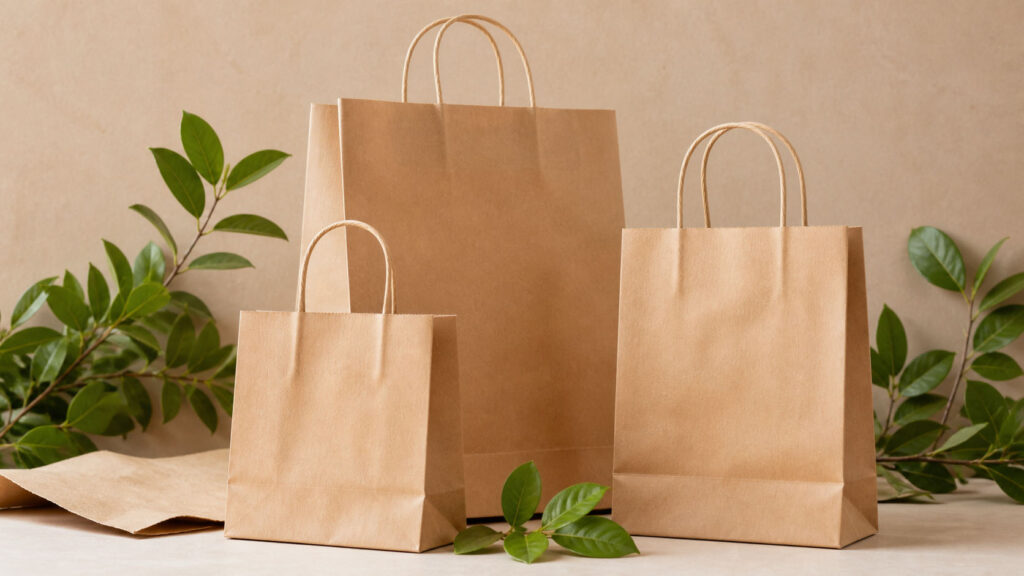
Different consumers prefer different paper bag styles.
But several styles are especially popular.
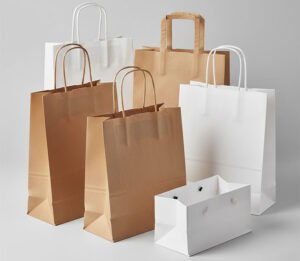
Retail consumers often like handheld paper bags because they feel premium and reusable.
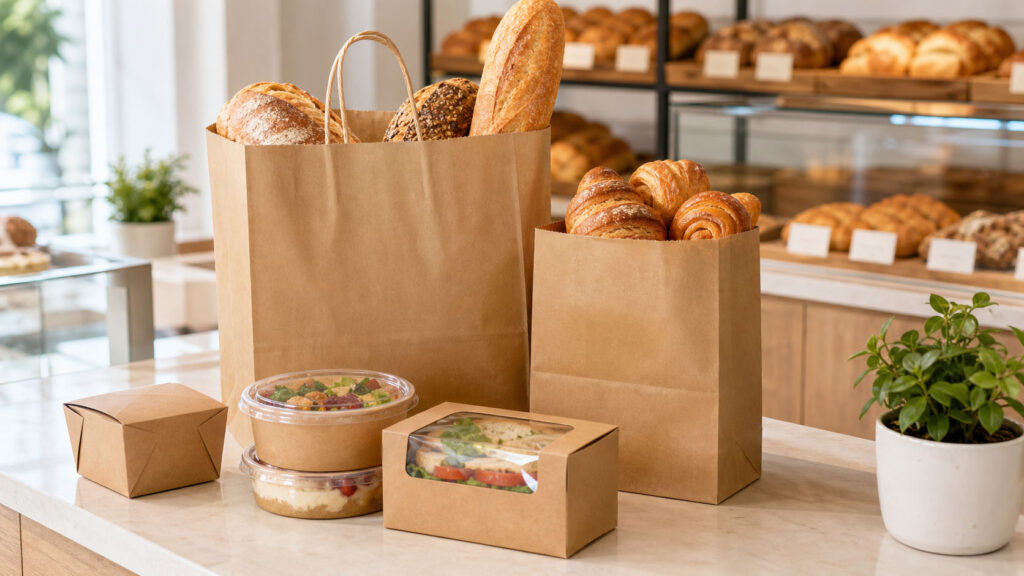
Food customers like flat-bottom and square-bottom bags because they stand upright and make packing easier.
Takeaway customers like large kraft paper bags with strong handles.
E-commerce customers like paper courier bags because they reduce plastic and improve unboxing experience.
Here are common styles we produce at GreenWing:
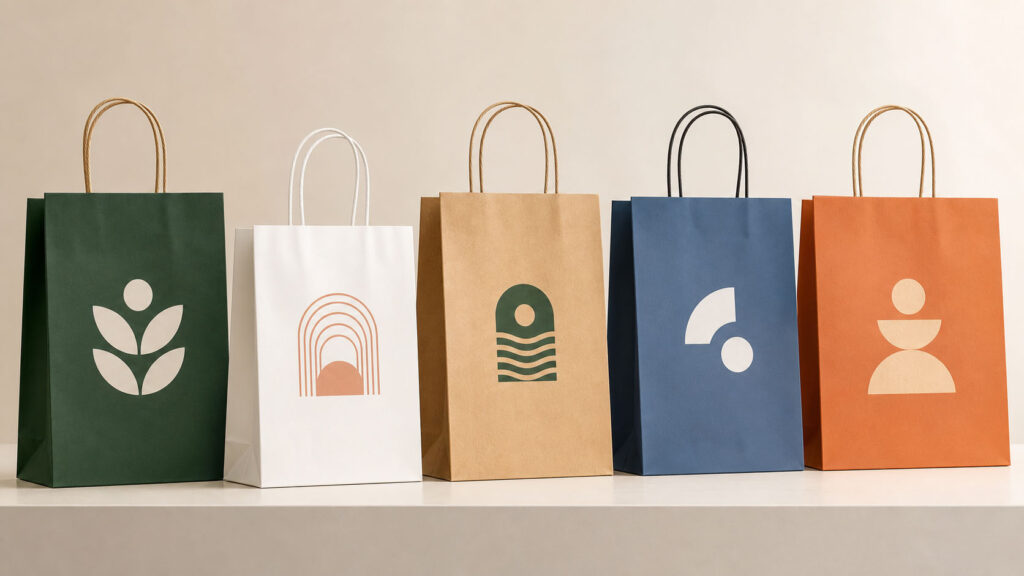
- Handheld paper bags
- Square-bottom paper bags
- Flat-bottom paper bags
- Paper courier bags
- Food packaging paper bags
- Takeaway paper bags
- Custom printed retail paper bags
- Grease-resistant paper bags
Each style solves a different problem.
A coffee bag is not a burger bag.
A luxury gift bag is not a grocery bag.
A courier bag is not a sandwich bag.
I know this sounds obvious. But in packaging sourcing, many expensive mistakes begin with “almost the same.”
Almost the same is dangerous.
Especially when your peak sales season is waiting with a knife.
Do Consumers Care About Food Safety in Paper Packaging Bags?
Yes, especially for food packaging.
Food brands must care even more.
Consumers expect food paper bags to be clean, odorless, safe, and suitable for direct or indirect food contact. They may not know every technical term, but they understand when packaging feels wrong.
If a paper bag smells strange, feels greasy too quickly, or stains the product, trust drops fast.
For B2B buyers, food safety is not just a consumer preference.
It is a compliance issue.
Importers and food manufacturers should verify FDA food contact packaging requirements, EU food packaging regulations, and food-grade paper certification. They should also request real certificates, not “my cousin made this PDF” certificates.
Yes, certificate fraud exists.
I have seen buyers suffer from it.
That is why I always recommend checking supplier documents carefully. Ask for test reports. Ask for production photos. Ask for samples. Ask questions until the supplier either proves quality or starts disappearing like a magician.
How Does Convenience Influence Consumer Preferences?
Convenience is a huge factor.
Consumers like paper bags that are easy to carry, open, store, and reuse.
Retail customers like comfortable handles.
Food delivery customers like bags that stand upright.
Cashiers like bags that open quickly.
Warehouse teams like bags that stack neatly.
Distributors like bags that ship efficiently.
A good paper bag should make everyone’s life easier.
That includes the customer, the store staff, the logistics team, and the purchasing manager who does not want angry emails at 6:30 a.m.
Convenience can come from small details.
A wider bottom.
A stronger handle.
A better fold.
A cleaner opening.
A tear-resistant edge.
A bag that does not collapse when staff put a lunch box inside.
These details look boring.
But boring details make profitable packaging.
Brands can review consumer packaging convenience research and retail packaging usability studies to understand how small design choices affect customer experience.
Are Minimalist Designs Becoming More Popular?
Yes, minimalist paper bag designs are becoming more popular.
Many consumers now prefer clean packaging.
Simple logos.
Natural colors.
Less ink.
More white space.
Clear brand identity.
This trend is especially strong in food, fashion, cosmetics, and premium retail. A simple kraft paper bag with a sharp black logo can look more expensive than a colorful bag that screams like a discount flyer.
But minimalism must be done well.
Cheap minimalism looks empty.
Premium minimalism looks intentional.
There is a difference.
One says, “We are elegant.”
The other says, “Our designer left early.”
Brands should study minimalist packaging design trends, consumer perception of packaging design, and premium packaging branding research before finalizing artwork.
At GreenWing, we often help customers adjust print size, color, and paper texture.
Sometimes, removing one design element makes the bag better.
Packaging design is like seasoning.
Too little is bland.
Too much ruins dinner.
How Do Certifications Affect Consumer Trust?
Certifications matter because trust matters.
Consumers may not ask to see every certificate.
But retailers, importers, distributors, and food brands definitely will.
For paper packaging bags, common concerns include material safety, food contact compliance, environmental claims, factory management, and quality control. Certifications and test reports help prove that the supplier is not just making beautiful promises.
Buyers should verify documents related to ISO quality management certification, FSC paper certification, BRC packaging standards, and food contact material testing.
At GreenWing, we hold more than 60 qualifications and honors.
We also hold over 40 national patents.
But I still tell buyers the same thing.
Do not trust words alone.
Trust documents.
Trust samples.
Trust production ability.
Trust suppliers who answer technical questions clearly.
A good supplier does not panic when you ask for proof.
A good supplier says, “Sure, let me send that.”
Then actually sends it.
Amazing concept, I know.
How Should Brands Choose Paper Bags Based on Consumer Preferences?
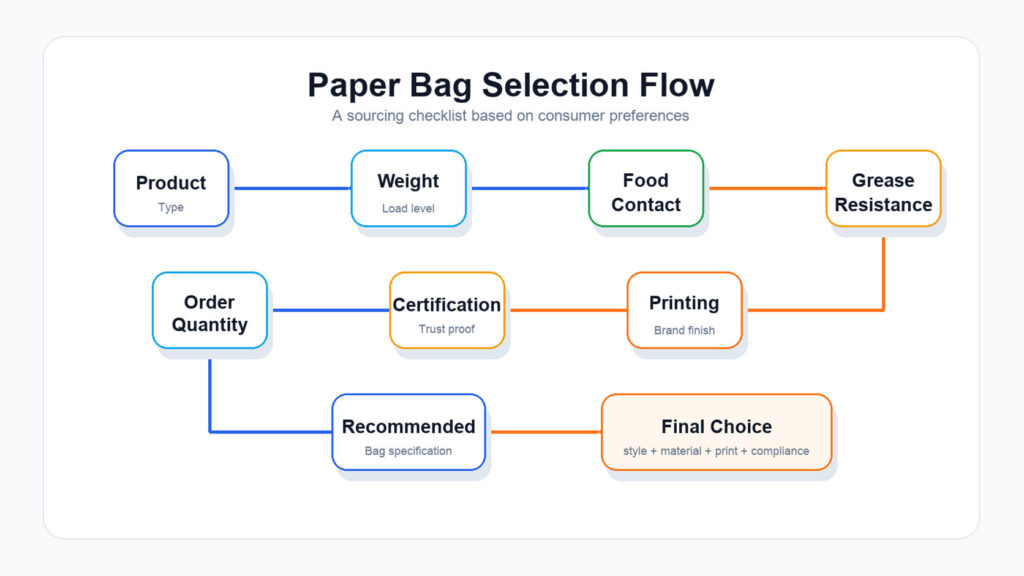
Brands should choose paper bags based on product type, target customer, sales channel, and brand position.
A premium coffee brand may need high-barrier food paper bags with excellent printing.
A fast-food chain may need strong takeaway paper bags at competitive cost.
A fashion retailer may need elegant shopping bags with rope handles.
An e-commerce brand may need paper courier bags that protect products during shipping.
Before ordering, I suggest buyers answer these questions:
- What product will the bag hold?
- How heavy is the product?
- Will the bag touch food directly?
- Does the bag need grease resistance?
- What printing effect does the brand need?
- What market regulations apply?
- What quantity is required?
- What delivery deadline must be protected?
- What certificates are required?
- How will the bags be packed and shipped?
These questions save money.
They also save relationships.
Because nothing destroys trust faster than receiving one million bags that are almost right.
Almost right is still wrong.
For serious buyers, it is wise to prepare a clear specification sheet. Include size, paper material, GSM, printing colors, handle type, surface treatment, packing method, and certification requirements. You can also review paper bag specification templates and packaging sourcing checklist.
Mais perguntas relacionadas
Do consumers prefer kraft paper bags or white paper bags?
Consumers like both.
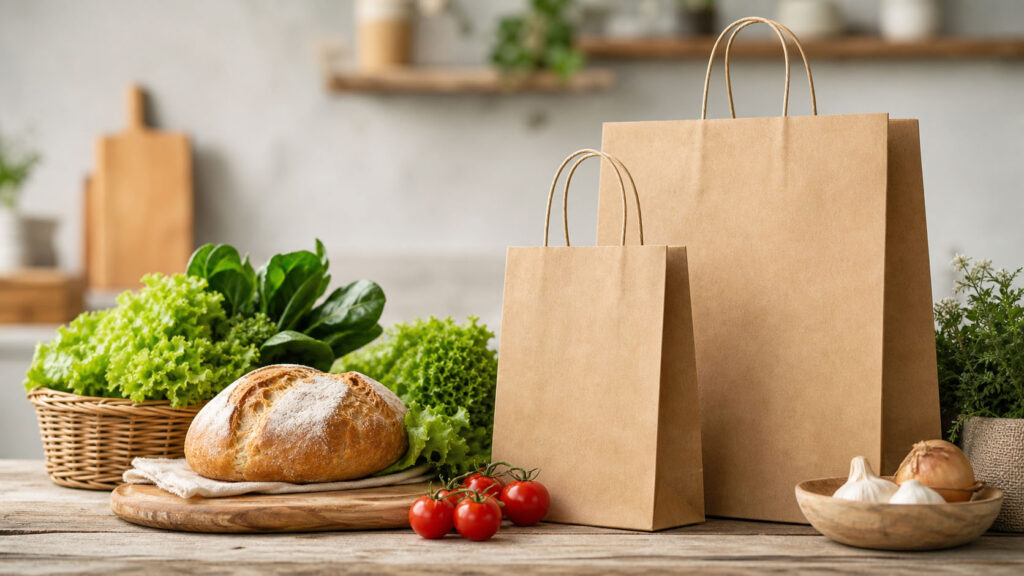
Kraft paper bags feel natural, eco-friendly, and casual. They work well for food, takeaway, coffee, bakery, and organic products.
White paper bags feel cleaner, brighter, and more premium. They work well for fashion, cosmetics, gifts, and retail brands.
The best choice depends on brand positioning.
If your brand says “natural,” kraft paper may help.
If your brand says “luxury,” white paper with premium finishing may work better.
Are paper bags more expensive than plastic bags?
Usually, paper bags can cost more than thin plastic bags.
But price is not the only factor.
Paper bags can improve brand image, support sustainability goals, and meet changing packaging regulations. Buyers should compare total value, not only unit price. Useful references include paper vs plastic packaging cost comparison and packaging lifecycle assessment data.
In B2B sourcing, the cheapest bag often becomes expensive later.
Especially when it breaks.
What is the best paper bag for food brands?
The best paper bag for food brands depends on the food.
Bakery products may need breathable kraft paper.
Fried food may need grease-resistant paper.
Takeaway meals may need strong square-bottom bags.
Frozen or moist food may need special coating or inner lining.
Food brands should always check food contact safety and local regulations before ordering.
Can paper bags be customized for small brands?
Yes, paper bags can be customized for small brands.
But minimum order quantity matters.
At GreenWing, we are a wholesale manufacturer, so we mainly serve B2B buyers, importers, distributors, and brand manufacturers. For small brands, I usually suggest starting with practical customization: logo printing, standard sizes, and proven materials.
Do not overcomplicate the first order.
Packaging should help you sell.
It should not become your second full-time job.
What mistakes should buyers avoid when sourcing paper bags?
Buyers should avoid vague specifications.
They should avoid choosing suppliers only by price.
They should avoid ignoring certificates.
They should avoid skipping samples.
They should avoid ordering too late before peak season.
And please, do not approve production based only on a pretty photo.
Photos are useful.
Samples are better.
Factory capability is best.
A real supplier should show machines, materials, production process, quality inspection, and shipping experience.
Conclusão
Consumer preferences in paper packaging bags are clear. People want packaging that is eco-friendly, strong, safe, beautiful, and convenient. As a manufacturer, I believe the best paper bag does more than carry products. It carries trust, brand value, and repeat business.