
Small products. Big expectations.
I’ve seen brands underestimate packaging for small items more times than I can count. They think, “It’s light, any bag will do.” Then comes the tearing, the awkward fit, the poor presentation.
That tiny bag? It speaks volumes about your brand.
Compact paper bags for small items are designed to balance size efficiency, durability, and presentation. They use optimized dimensions, appropriate paper thickness, and smart structural design to securely hold lightweight products while enhancing brand image. The right compact bag reduces material waste, improves cost efficiency, and elevates customer experience—without compromising strength.
And if you think small means simple, let me change your mind.
Why Small Bags Deserve Serious Attention?
Let me say this upfront.
Small packaging is harder than big packaging.
Why? Because every millimeter counts.
Too big? Your product looks cheap and lost.
Too small? You risk damage or awkward stuffing.
Compact bags require precision. Not guesswork.

What Defines a “Compact” Paper Bag?
In my factory, when we say “compact,” we don’t just mean small.
We mean optimized.
Typically, compact paper bags are used for:
- Jewelry
- Kosmetyki
- Accessories
- Small electronics
- Food items like pastries
Common sizes range from:
- Width: 8–20 cm
- Height: 10–25 cm
- Gusset: 4–10 cm
But here’s the key—size must match the product perfectly.

The Importance of Right Sizing
This is where most buyers go wrong.
They pick a “standard size” and hope it works.
I don’t do hope. I do precision.
A well-sized compact bag:
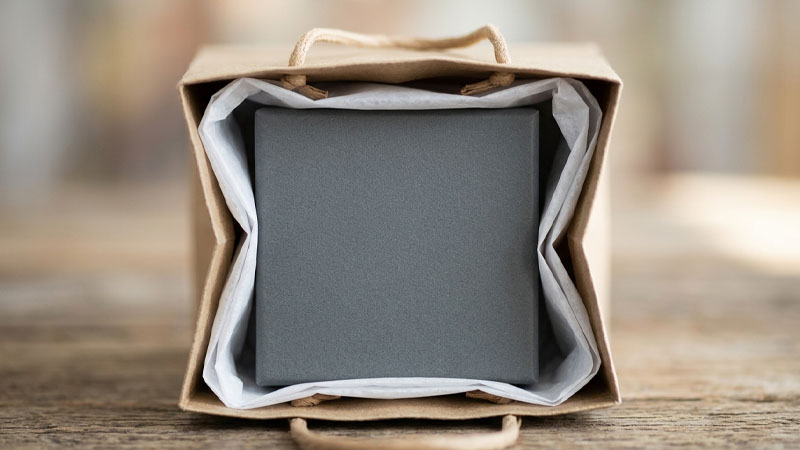
- Prevents product movement
- Reduces material waste
- Improves shelf and carry experience
And let’s be honest—customers notice when packaging feels “just right.”
Choosing the Right Paper Thickness
Small doesn’t mean weak.
In fact, compact bags often need to feel sturdy to reflect product value.
Here’s my usual recommendation:
- 100–120 GSM → lightweight items
- 120–150 GSM → most retail products
- 150–180 GSM → premium small items
But remember, structure matters as much as thickness.
I’ve optimized many bags to use less material but perform better.

Structure: The Secret to Strength
Now we get into the real craftsmanship.
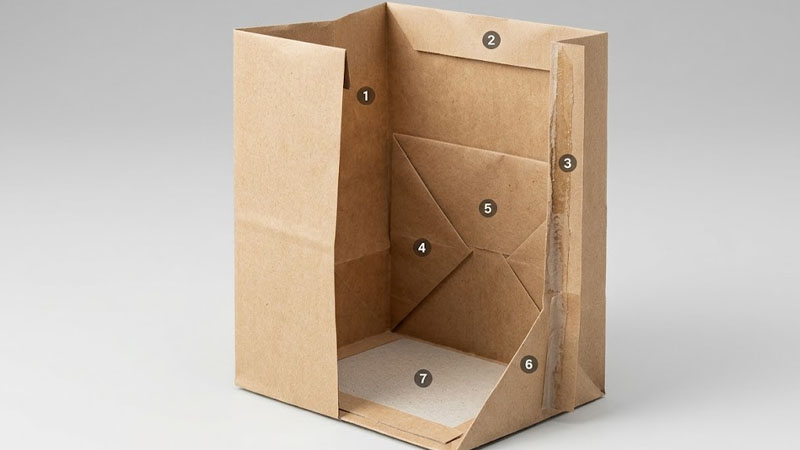
Compact bags rely heavily on structure:
- Square bottom for stability
- Reinforced folds
- Clean edge finishing
A good structure allows a smaller bag to carry more than expected.
And yes, I’ve seen poorly structured bags fail even at low weight.
Handle Options for Small Bags
Let’s talk handles.
Not every compact bag needs one.
For very small sizes, die-cut handles or even no handles work perfectly.
But when you do need handles, options include:
- Skręcone uchwyty papierowe
- Ribbon handles (for luxury feel)
- Cotton rope handles
For premium brands, I often recommend ribbon. It adds perceived value instantly.
Printing and Branding Opportunities
Here’s where compact bags shine.
Smaller surface area = more focused branding.
A clean, well-printed logo on a compact bag can look incredibly premium.
We often use:
- High-definition offset printing
- Hot stamping (gold/silver)
- Embossing
Because small packaging should still make a big impression.
Cost Efficiency: Small But Smart
Porozmawiajmy o pieniądzach.
Compact bags use less material. That’s obvious.
But the real savings come from:
- Lower shipping costs
- Better carton efficiency
- Reduced storage space
If you’re ordering in bulk (like most of my clients), this adds up fast.
Smart packaging is profitable packaging.
Sustainability Benefits
Now, one of my favorite topics.
Compact bags are naturally more eco-friendly.
Dlaczego?
- Less raw material
- Lower carbon footprint in shipping
- Reduced waste
But we can go further by using:
- Recyclable kraft paper
- Tusze na bazie wody
- Minimalist design
Sustainability is not just about material—it’s about efficiency.
Common Mistakes to Avoid
Let me save you from rookie errors.
I see these all the time:
- Oversizing the bag “just in case”
- Using too thin paper to cut cost
- Ignoring structural design
- Overcomplicating the print
Compact bags require discipline.
Every detail matters more.
How I Help Clients Get It Right
At GreenWing, we don’t just produce bags.
We optimize them.
My process is simple:
- Understand your product dimensions
- Recommend exact bag size
- Match thickness and structure
- Prototype and test
Because guessing is expensive. Precision is profitable.
Więcej powiązanych pytań
What size is best for small retail items?
It depends on the product, but typically between 10–20 cm in width and height works well.
Are compact paper bags strong enough?
Yes, with proper thickness and structure, they can be surprisingly durable.
Do small paper bags need handles?
Not always. For very small items, handle-free designs can be more practical.
Are compact bags more eco-friendly?
Generally yes, because they use less material and reduce shipping impact.
Wniosek
Small bags carry big responsibility.
Get the size, structure, and design right—and they elevate your brand.
Get it wrong—and even great products feel cheap.
If you ask me, compact packaging is where smart brands truly stand out.