
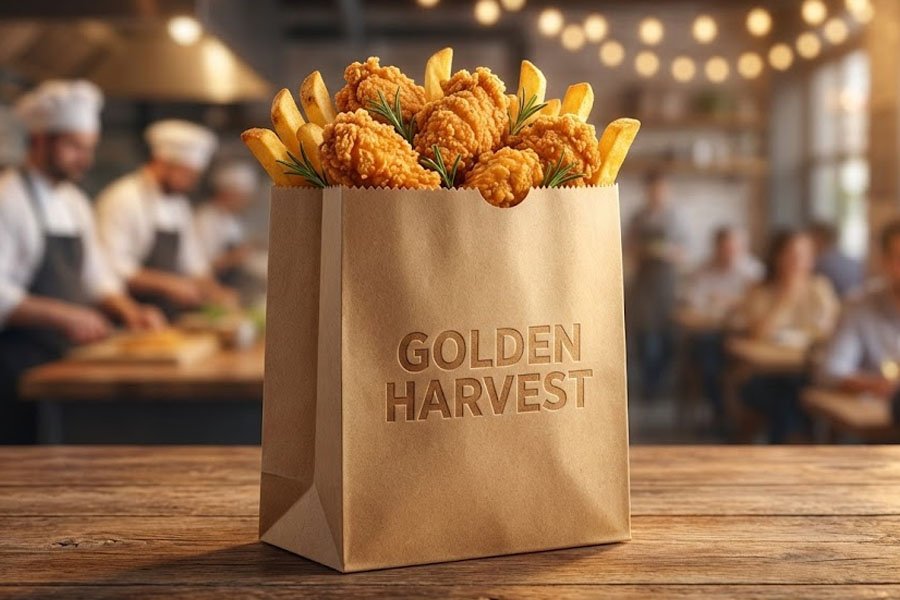
We’ve all been there. An excited customer opens a delivery bag only to find an oil-soaked mess. It’s not just embarrassing—it’s a brand killer. The good news? Oil-resistant paper bags are the answer. But how are they made? And more importantly, how do we make sure they work?
Oil-resistant coated paper bags are crafted through a precise manufacturing process involving base paper selection, oil-resistant coating application, heat sealing, and rigorous quality control. Testing methods like Cobb tests, KIT value analysis, and grease resistance trials ensure performance under real-world conditions.
Sounds simple? Not quite. Stick around—there’s a lot under the hood (or bag, in this case).
What makes a paper bag truly oil-resistant?
To resist oil, a bag needs more than good looks.
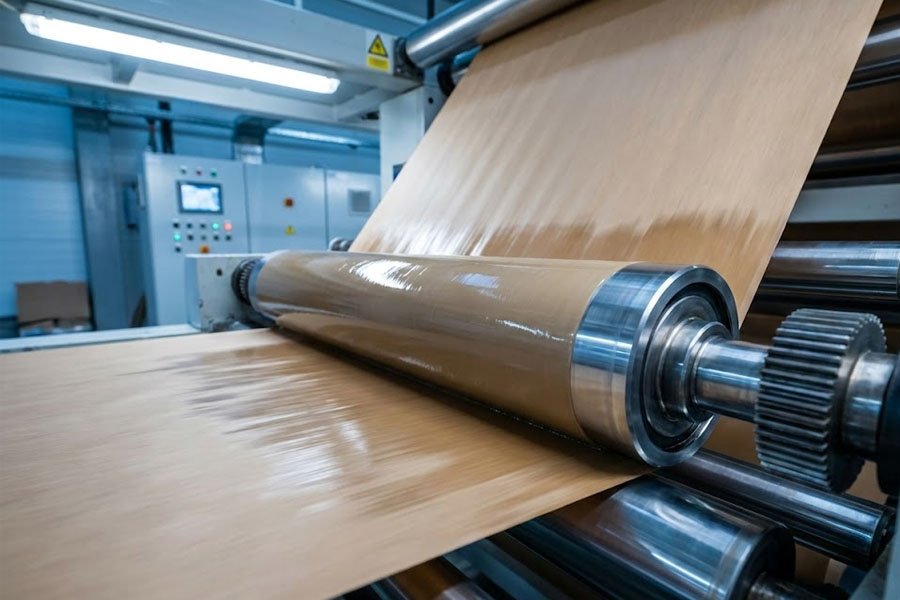
We start with high-density kraft paper. Why? It has the right mix of strength and porosity. Not too tight to make it stiff. Not too loose to let oil sneak through.
Next, the coating does the magic. Most oil-resistant bags use water-based coatings or fluorine-free barriers. Think of them like invisible raincoats—but for grease.
We don’t stop there. Our coating machines layer protection evenly, so oil doesn’t find a weak spot.
Step-by-step: How we manufacture oil-resistant coated paper bags
Let me walk you through it—GreenWing style.
1. Base Paper Selection
We choose virgin kraft paper with high burst strength and uniform fiber structure. This ensures the coating bonds properly.
2. Surface Preparation
Paper gets pre-treated to open its pores slightly. This improves coating adhesion. Kind of like sanding wood before painting.
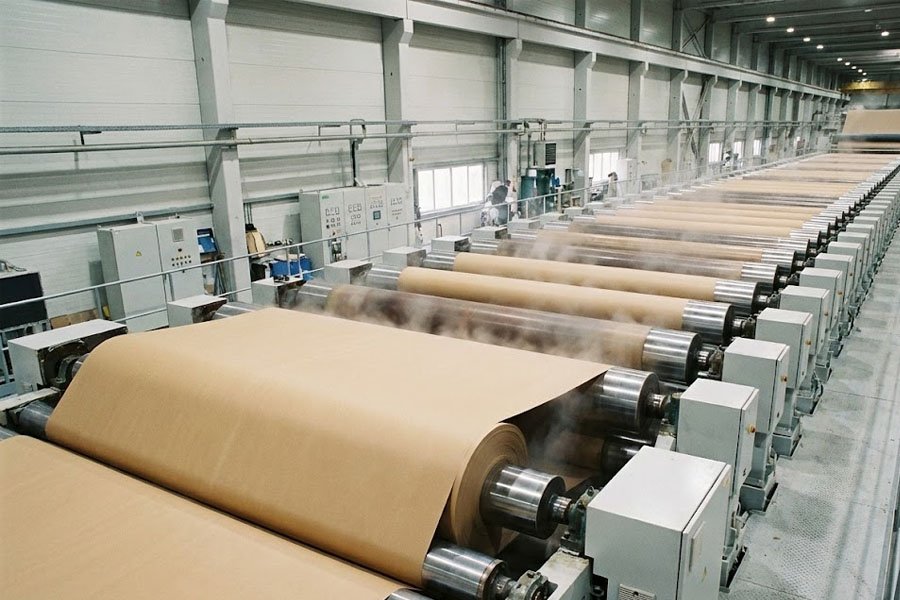
3. Oil-Resistant Coating Application
We apply coatings using a rotogravure or blade coater. Common coatings:
- Acrylic emulsions
- PLA-based bioplastics
- Modified starches
- Silicone or clay-treated finishes
We’ve moved away from PFAS chemicals (per- and polyfluoroalkyl substances). Why? Eco-laws, customer trust, and yeah—health reasons.
4. Drying & Curing
We run the coated paper through heated rollers. This seals the coating into the fibers.
The goal? Create a barrier that repels oil while staying recyclable and compostable.
5. Cutting & Shaping
Once dry, the paper moves to automatic bag-making machines. We customize the shape—flat bottom, square bottom, gusseted sides—based on what Mike (our customer persona) needs.
Every edge, every fold, every glue line matters. Why? Because oil always finds the weakest point.
6. Printing & Branding
We use flexographic or offset printing, depending on the design. And yes, our inks are soy-based and food-safe.
That crispy logo? It’s not just pretty. It’s grease-resistant too.
How do we test oil resistance? (Spoiler: we don’t just eyeball it)
Let me nerd out a bit.
We take testing seriously—because customers don’t want excuses. They want dry, clean hands.
1. Cobb Test
Measures how much liquid the paper absorbs in a set time.
Lower Cobb = better barrier.
For oil-resistant paper, Cobb values should be under 25 g/m².
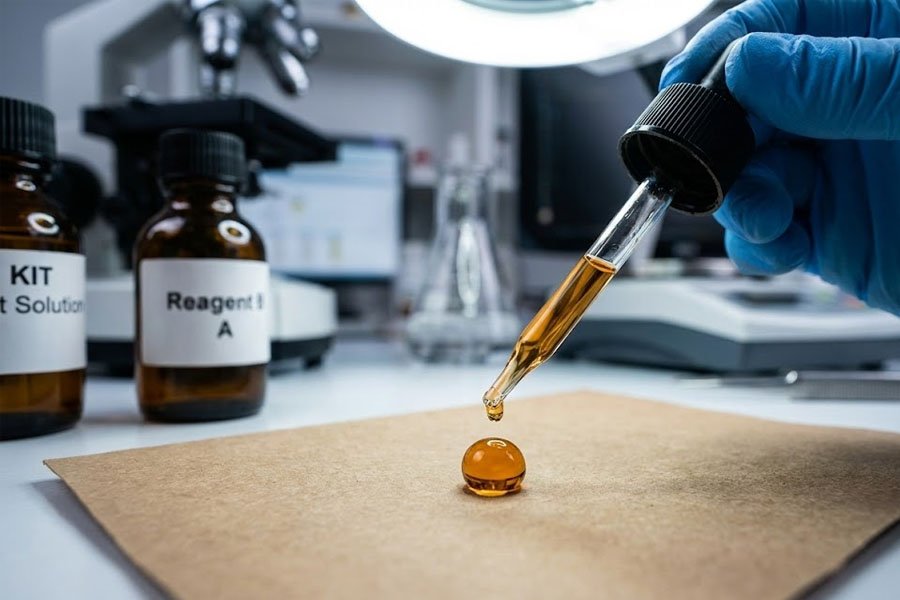
2. KIT Value (Grease Resistance Test)
This is the gold standard.
We use numbered oil solutions (KIT 1 to KIT 12). We place them on the bag surface and see which level it resists without staining.
At GreenWing, we usually aim for KIT 7 or higher—ideal for burgers, fried food, etc.
3. TAPPI T-559
Also known as the Grease Resistance Penetration Test. It tests how long it takes for oil to pass through the paper.
Want numbers? We pass this test with flying colors.
4. Real-Life Simulation
No test beats reality.
We load our bags with oily fries, dumplings, or even stir-fried noodles and let them sit for hours. If there’s no leakage, we call it GreenWing Approved™.
Can coated paper bags still be eco-friendly?
Short answer: Absolutely.
Our coatings are water-based, PLA, or mineral-filled, which means no microplastics, no PFAS, no guilt.
All our bags meet FDA food contact safety and EN13432 compostability standards.
Let’s be real—if a bag solves a problem but creates another (like pollution), it’s not a solution. We’re here to make packaging smarter, not dirtier.
What industries rely on oil-resistant bags the most?
We serve all kinds, but these stand out:
- Fast food chains (Think: burger brands)
- Bakery & pastry shops (those buttery croissants!)
- Meal delivery apps
- Frozen food brands
- Roasted nuts, popcorn, snacks
Mike (our persona) loves that he can trust us to keep his chicken wings crisp and his brand even crisper.
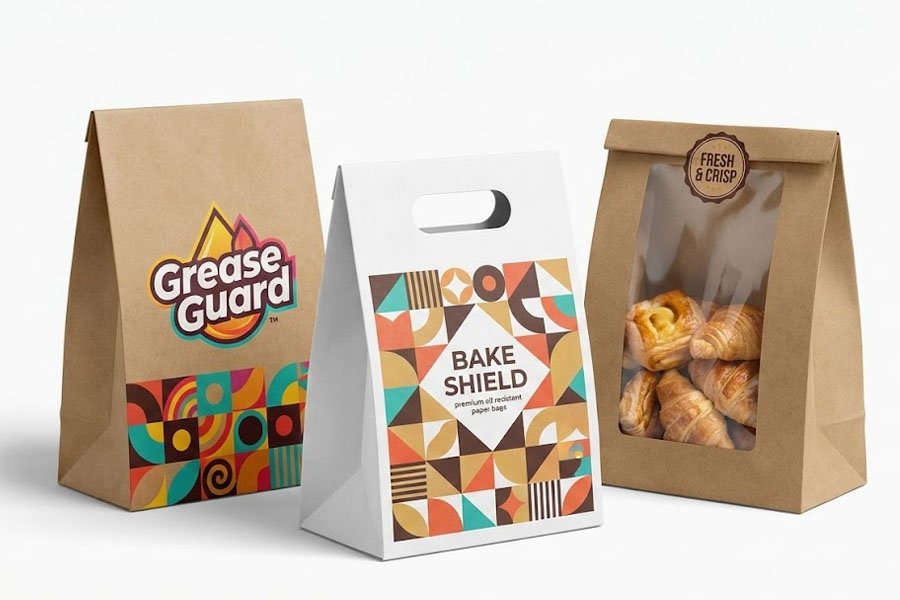
Customization: Can oil-resistant bags still look good?
Oh yes.
We offer full-color custom printing, embossing, die-cut handles, and even window patches—without compromising oil resistance.
Design meets function—that’s the GreenWing way.
What about logistics and quality control?
Glad you asked.
We batch-test every production run. Every pallet comes with inspection reports, certifications, and COAs (Certificate of Analysis).
Shipping? Our bags are heat-sealed and moisture-protected for ocean freight. We’ve shipped to over 30 countries with a 98.9% on-time delivery rate.
We know delays kill business. That’s why we don’t do delays.
Can GreenWing customize for small MOQs?
Of course.
We’ve invested in modular coating lines and digital print flex units. That means we can do short runs with full customization—ideal for seasonal promos or market testing.
Just send us the specs. We’ll handle the rest.
Conclusion
Making oil-resistant paper bags is part art, part science, and all obsession. From the fiber to the coating to the test bench—we control it all so our clients (like Mike) can focus on growing their brand. No grease, no leaks, no drama.




 EN
EN NL
NL SV
SV AF
AF KO
KO RO
RO DE
DE IT
IT JA
JA HU
HU ES
ES FR
FR PL
PL PT
PT DA
DA AR
AR HI
HI PA
PA ID
ID RU
RU EL
EL TH
TH TR
TR