
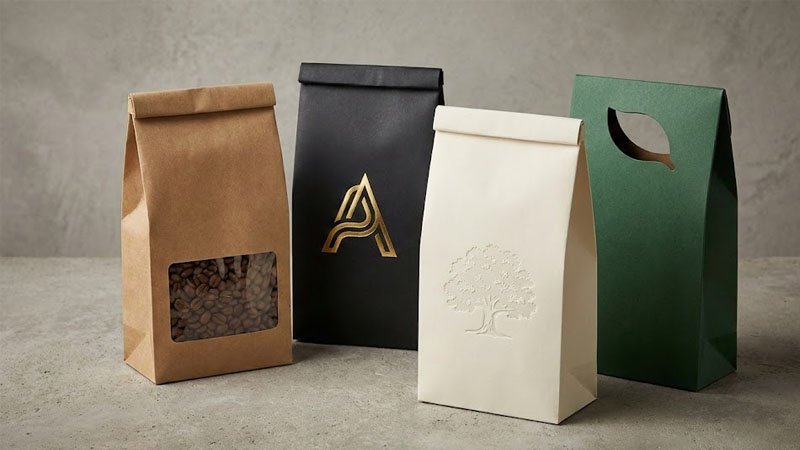
When brands come to me asking how to elevate their packaging, they usually face the same problem: too many fancy options and too little clarity. That confusion leads to hesitation, and hesitation kills launch timelines—especially in peak seasons. I’ve seen it happen more times than I’d like.
Choosing between window cutouts, hot foil stamping, embossing, and die-cut shapes depends on your product visibility needs, brand personality, and budget. Each technique plays a different role: window cutouts boost transparency, foil increases luxury, embossing adds tactile value, and die-cuts unlock creativity. Match them to your brand’s voice, your industry standards, and your customer experience goals.
I’ll break everything down here. Consider this your CEO-level checklist from someone who has printed, stamped, pressed, and die-cut more bags than I can count.
What Should You Consider Before Choosing Premium Paper Bag Enhancements?
If you’re Mike from the U.S. (our favorite 45-year-old packaging procurement pro), you want clarity. So I’ll give it to you straight. Before picking any fancy finishing, think about:
- Your product type
- Your customer expectations
- Your brand positioning
- Your intended order volume
- Your timeline constraints
- Required certifications
- Cost vs. ROI
You can’t pick finishing the way you’d pick dessert at a buffet. Well—you can, but your logistics team will cry.
Why Window Cutouts Matter for Modern Retail?
Window cutouts are a favorite of food brands, beauty brands, and gift packaging. When your customer wants to see what they’re buying, you win trust instantly. In the post-pandemic era, transparency sells.
Research shows that visible packaging increases purchase confidence by double-digit percentages.
I use PET or PLA windows depending on your sustainability requirements. PLA is compostable, sourced from cornstarch, and it keeps us aligned with your eco-friendly brand promise.
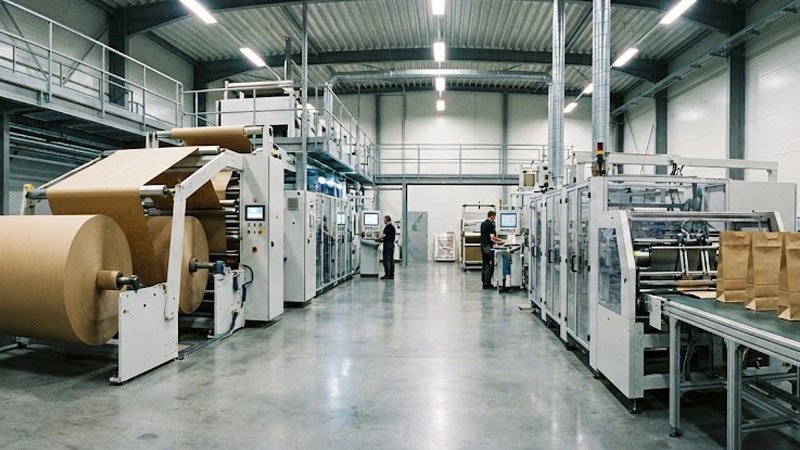
It’s also compatible with most of our automatic bag-making machines, which means faster production and fewer delays.
Hot Foil Stamping: When Should You Use It?
If your brand wants to scream “premium,” hot foil stamping is your megaphone.
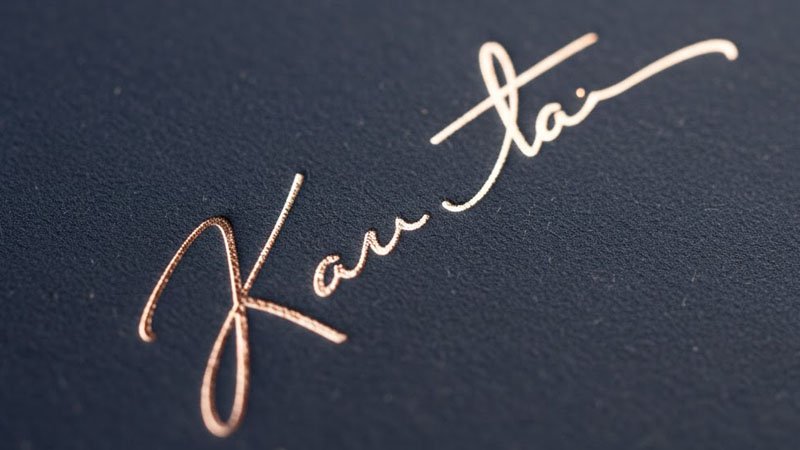
Gold, silver, holographic—take your pick. Foil catches the light and instantly elevates brand value.
But here’s the part customers forget: foil stamping needs a metal mold.
Metal molds add cost. And if you change your logo next season, you’ll need a new one.
So use foil stamping when your design is stable and your volume justifies the investment.
Foil stamping also requires enough pressure and paper thickness to prevent burn-through. That’s why I recommend minimum 170–250 gsm kraft or coated paper. Anything thinner and you’re asking for trouble.
Embossing & Debossing: When Touch Matters More Than Sight?
Embossing is the silent hero of tactile branding. You don’t see it immediately, but you feel it.
That’s why high-end retail brands use embossing on both gift boxes and paper bags.
It gives texture, sophistication, and—let’s be honest—a satisfying “I paid good money for this” feeling.
For you, this means:
- Emboss when you want understated luxury.
- Use it with thick, strong materials.
- Avoid complex shapes that distort printing alignment.
Data suggests that tactile elements increase perceived value by up to 24%.
And yes, embossed bags take longer to produce. The good news? We own over 100 advanced production machines and can absorb rush orders better than the industry average.

Die-Cut Shapes: The Ultimate Creativity Tool?
Now we’re talking fun.
Die-cut shapes let your brand break the rectangle.
Want a heart-shaped window?
A wine-bottle silhouette?
A custom-shaped handle?
A geometric cutout?
We’ve done it all.
But here’s the truth I tell every customer: die-cutting amplifies your brand message, if used correctly. Go too crazy and you compromise structural integrity—especially with heavy products.
Fortunately, our structural engineers check load-bearing specs before production.
You should consider die-cuts if:
- Your brand loves being visually playful
- You sell products that fit well with a thematic cutout
- You want strong shelf differentiation
- You can accept a slightly higher cost due to mold customization
How Do You Combine These Enhancements Without Overdoing It?
A common mistake I see: throwing everything onto one bag.
Window + foil + embossing + UV + die-cut = chaos.
A paper bag is not a Christmas tree.
Your goal is balance.
Here are CEO-approved combinations:
Minimalist luxury: embossing + matte lamination
Premium retail: hot foil + embossing
Natural food brand: kraft paper + window cutout + soy-ink printing
Innovative gift packaging: die-cut + spot UV
Tech product brand: cold foil + geometric embossing
Each combo should align with your brand’s identity—not just the latest trend on Alibaba or Pinterest.
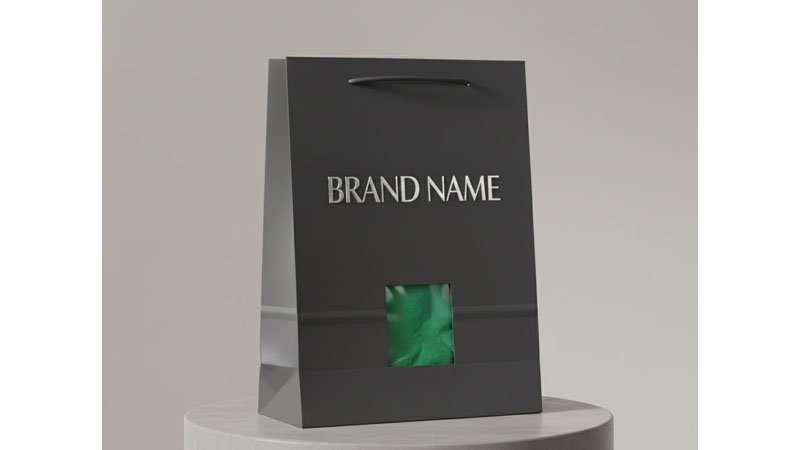
What Technical Specs Should You Double-Check With Your Supplier?
Here’s the checklist I wish every buyer used before sending artwork files:
Paper Material
kraft / white kraft / coated C1S / recycled options
GSM Requirements
120–250 gsm for most bags
300+ gsm for luxury laminated bags
Load-Bearing Test
We run tests up to 15–20 kg for food and grocery brands.
Finishing Compatibility
Some finishes perform poorly on certain papers.
Machine Requirements
Our automatic machines require specific bleed margins and die-cut tolerances.
Color Matching (Pantone / CMYK)
Always request a pre-production sample.
Certifications
FDA, FSC, BRC, ISO
Trust me—checking these early saves weeks of back-and-forth emails.
What Should You Ask Your Supplier to Avoid Delays?
Your three biggest risks are:
- Miscommunication
- Mold errors
- Production scheduling delays
So your supplier should confirm:
- Final die-cut drawing
- Foil mold size
- Embossing depth
- Window placement and thickness
- Final artwork positioning
- Lead time + buffer time for molds
- Packing method (cartons/pallets)
At GreenWing, we send a pre-production checklist to avoid misunderstandings. It’s saved many Christmas seasons for our U.S. and EU brands.
FAQs
Can I combine foil stamping with a window cutout?
Yes, but keep enough space around the window for structural stability.
What is the MOQ for premium enhancements?
Usually 5,000–10,000 pieces depending on complexity.
Do these finishes affect recycling?
Most do not, except large foil areas. Check local guidelines.
What files work best?
AI, PDF, CDR with outlined fonts and bleed.
Can you help with design?
Of course. We offer free structural guidance and artwork adjustment.
Conclusion
Pick enhancements that strengthen your story—not clutter it. When used wisely, window cutouts, foil, embossing, and die-cuts turn simple bags into brand assets. And if you want clarity, send me your artwork—I’ll tell you exactly what works and what doesn’t.



 EN
EN NL
NL SV
SV AF
AF KO
KO RO
RO DE
DE IT
IT JA
JA HU
HU ES
ES FR
FR PL
PL PT
PT DA
DA AR
AR HI
HI PA
PA ID
ID RU
RU EL
EL TH
TH TR
TR